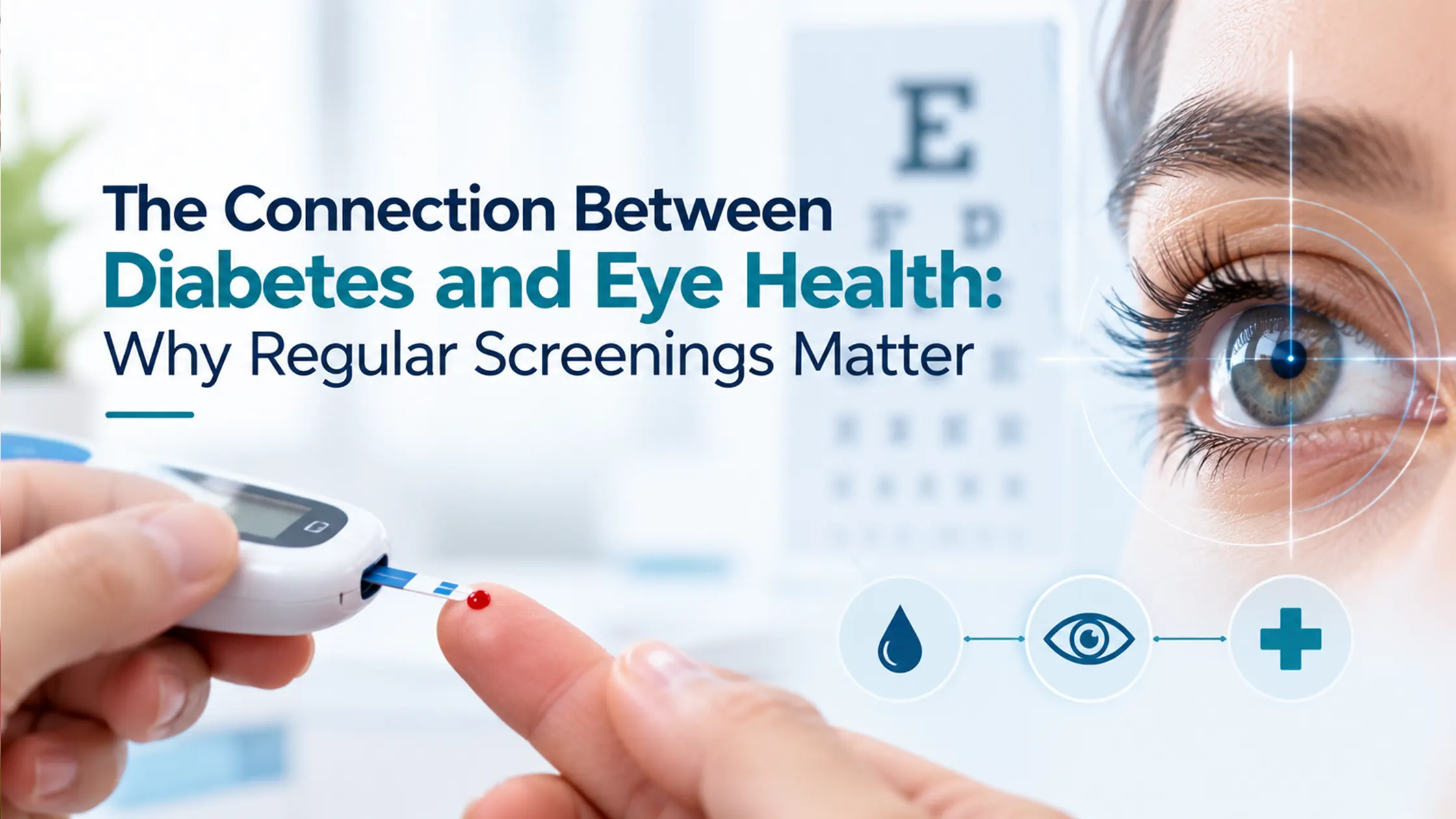
The Connection Between Diabetes and Eye Health: Why Regular Screenings Matter is essential since diabetes may cause harm to the blood vessels of the retina, thus leading to development of diabetic retinopathy, glaucoma, cataract, and other eye diseases. In early stages of development, these diseases may not cause any symptoms, while regular dilated eye exams may be helpful in discovering their development in time, which may prevent vision. Regulating the levels of blood glucose, blood pressure, and cholesterol is important to avoid any such conditions resulting from diabetes.
How Does Diabetes Affect Eye Health?
Diabetes may affect the eyes through the effect on blood vessels in the retina, the sensitive part of the eye, which receives light. The blood vessels may start leaking or being blocked.
As the person has been diagnosed with diabetes for more years, he/she becomes more exposed to the development of diabetic eye diseases. Diabetes is also the cause of higher risks of cataract and glaucoma.
What Is Diabetic Retinopathy?
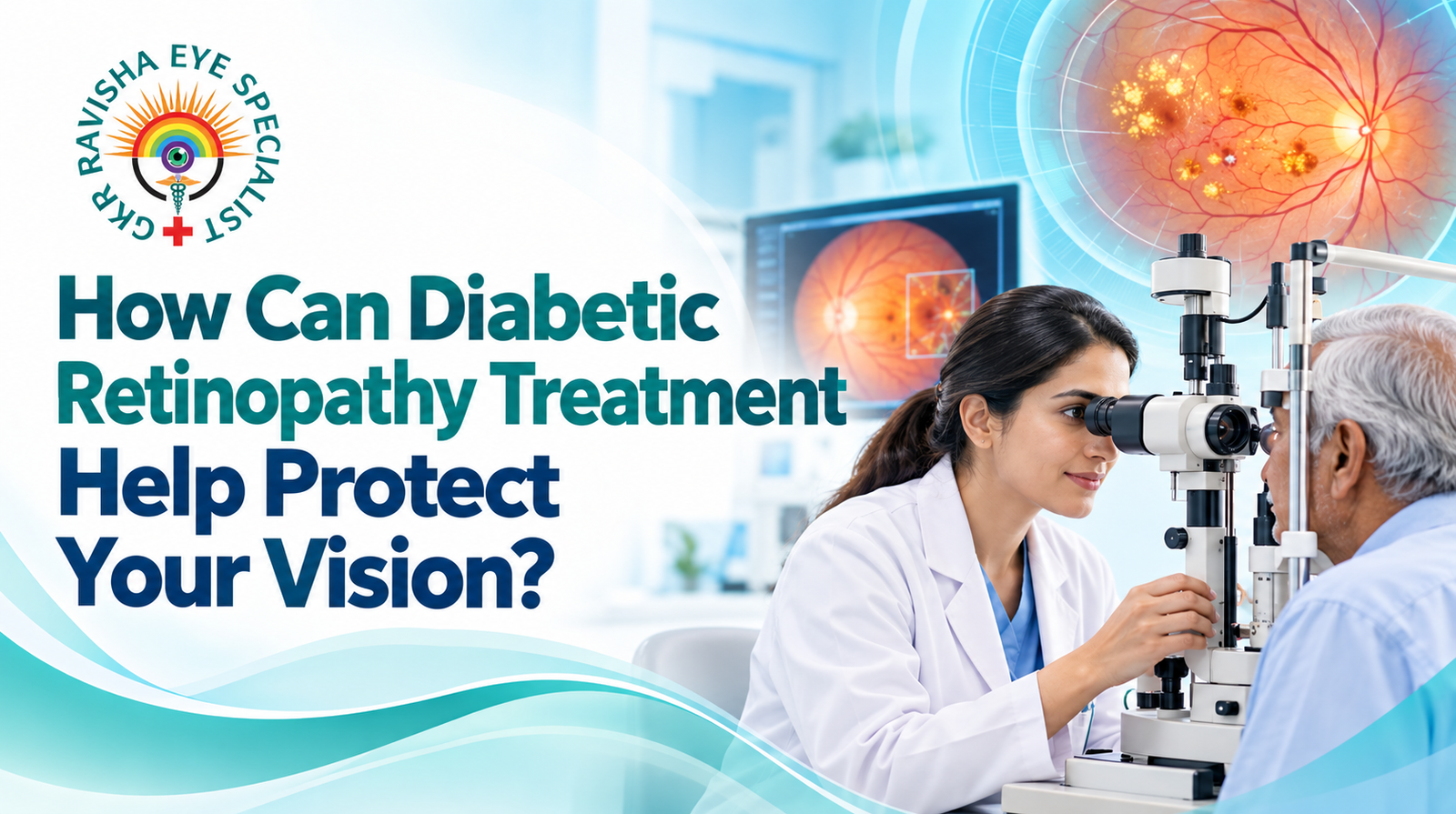
Diabetic retinopathy is the eye problem resulting from damage to the blood vessels in the retina. The problem may start with weakening of the blood vessels in the retina leading to leakage and advance to a point where abnormal blood vessels grow and bleed.
The problem with the condition is that it may go unnoticed in the early stages, which is the reason why waiting till your vision becomes blurred does not make sense as a way of screening for it.
Why Are Regular Eye Screenings Important for People With Diabetes?
Eye screening will help detect changes to the retina even before the person loses vision. Dilated eye examination will give an eye specialist an opportunity to inspect the retina and blood vessels within the eye.
As per the recommendations of the National Eye Institute & CDC, patients having diabetes must get their eyes checked regularly based on personal conditions as well as the advice of the eye doctors. Generally, patients suffering from diabetes require their eyes examined once a year.
If you are looking for an Eye Hospital Near Me in Marathahalli, then you must go for an establishment where eye examinations are done comprehensively.
What Happens During a Diabetic Eye Examination?
A diabetic eye exam might consist of different tests for assessing your visual acuity and general eye health. Dilation exam involves applying special eye drops that will help to open up your pupils and enable your doctor to examine your internal structures, including the retina.
Based on your specific condition, your eye care specialist might recommend some other exams which are necessary for assessing the health of your retina, your eye pressure or other components of your vision.
Finding the Best Eye Clinic in marathahalli should not be made just based on its location or rating, but based on diagnostic services it offers.
Can Diabetic Eye Disease Develop Without Symptoms?
Yes. A person suffering from diabetic eye disease might have no clear symptoms of it.
If there are any symptoms, they might involve blurred vision, dark spots or floaters, trouble seeing colors, vision distortion or even vision loss. Any rapid change in your vision should not be neglected.
That is the reason why you should not postpone finding the Best Eye Doctor in marathahalli until your problems with vision become really serious.
What Eye Conditions Are Linked to Diabetes?
Diabetes is associated with several eye conditions, including:
- Diabetic retinopathy
- Diabetic macular edema
- Cataracts
- Glaucoma
- Other diabetes-related vision complications
The importance of diabetic retinopathy lies in the potential damage to the blood vessels of the retina which could eventually compromise one’s sight. With early diagnosis and proper treatment, the chance of losing vision can be prevented.
For a condition such as retinal disease, a Retina Specialist in Marathahalli can further examine your retina and prescribe the needed treatment.
How Can Blood Sugar Control Protect Your Eyes?
It is important to manage your diabetes because managing your diabetes helps protect your eyes from any potential damage. Blood sugar can affect the blood vessels that feed the retina.
Apart from following your prescribed regimen of diabetes management as advised by your doctor, it is important that you have normal blood pressure, cholesterol, and that you never smoke in order to avoid diabetic complications.
When Should You See an Eye Specialist?
It is advised that an eye examination be scheduled if one has diabetes, even if the vision seems to be fine. Also, one should seek a professional opinion quickly in case of any unexpected changes in vision, including blurring of vision, floaters, flashes, blind spots, distortions, etc.
Those who are looking for a Good Eye Doctor Near Me in marathahalli must consider the qualifications, experience, diagnosis skills, and specialist availability in the office of the doctor.
How Often Should People With Diabetes Have an Eye Examination?
It is recommended that diabetic patients should have their eyes examined through dilation at least once in a year.However, this varies according to the type of diabetes, period of the disease, eye problems in the past, etc.
People with diabetes must go by the schedule advised by their health and eye doctors and not by the set time frame for all.
If one is choosing between Good Eye Hospitals Near Me in marathahalli, one should see if the hospital can offer regular monitoring along with specialist eye care.
How Can You Protect Your Vision If You Have Diabetes?
You can support your eye health by:
- Keeping blood glucose levels under appropriate control
- Monitoring blood pressure and cholesterol
- Attending scheduled dilated eye examinations
- Following prescribed diabetes and eye treatments
- Avoiding smoking
- Reporting sudden or unusual vision changes promptly
Eye tests ought to be viewed as an important component of diabetes treatment rather than as something that you should do once the eye problems begin.
Is a Retina Specialist Necessary for Every Person With Diabetes?
Not always. Diabetic eye check-ups could be conducted by an appropriate eye-care specialist. The role of a retina specialist would come into play in case of detection, suspicion, or specialist management of retinal diseases.
If you need a Retina Specialist in Marathahalli, make sure you have one who can evaluate the status of your retinas and decide if there is any need for further observation or treatment.
How Can You Find the Right Eye Care in Marathahalli?
Instead of being limited to proximity, consider having comprehensive eye checks done, available eye doctors, retina check-up if necessary, diagnostic procedures, and follow-up when choosing an Eye Checkup Near Me in marathahalli.
Consistent eye screening becomes important to diabetics since some eye complications can happen without any evident symptoms at all. In such a case, it is easier to keep an account of all the changes and to be treated in case of necessity.
What Is the Connection Between Diabetes and Eye Health: Why Regular Screenings Matter?
Connection Between Diabetes and Eye Health: Why Regular Screenings Are Important will become clear to you only after you understand that diabetes might lead to the development of various eye diseases including retinal disorders, even before you feel any changes.
If you suffer from diabetes, then it is important for you to have periodic dilated eye examinations, to control your diabetes and to receive professional help if necessary. You should not wait until the first symptoms like blurred vision appear.
Conclusion
Diabetes and eye problems are linked. Consistently high blood glucose levels can cause diabetic retinopathy and also make you vulnerable to getting eye conditions such as cataracts and glaucoma.
The process of having your eyes tested is one of the key components of taking care of yourself as a diabetic because certain eye diseases can start to emerge without any symptoms.
Featured Snippet Answer
The importance of periodic comprehensive dilated eye exams for patients with diabetes is essential because there is no symptom that indicates the onset of diabetic eye problems. The problem is that screening can reveal any changes in the retina while the risk of losing vision can be prevented through good control of glucose, blood pressure, and cholesterol.
People Also Ask
Can diabetes cause permanent vision loss?
Yes. There are different types of eye diseases resulting from diabetes, which, if not early enough detected and treated, may lead to blindness.
Can diabetic retinopathy be detected before vision changes?
Yes, diabetic retinopathy can develop in the absence of any changes in one’s vision. Dilated eye examination helps look at the retina.
Does controlling blood sugar improve eye health?
Good diabetes management may help reduce the risk of developing eye problems because of diabetes. Blood sugar, blood pressure, and cholesterol management is equally important to reduce risks.
Is diabetic eye screening different from a normal eye test?
Diabetic eye examination usually includes dilated examination of the retina and other inner structures of the eye. Other tests can be prescribed according to a patient’s condition.
Can diabetes cause cataracts and glaucoma?
Yes. In addition to retinopathy, people with diabetes can suffer from cataracts and glaucoma.
Frequently Asked Questions (FAQs)
What are the early warning signs of diabetic eye problems?
There might be no symptoms at all during the early stages of diabetes. Some later symptoms may include blurry vision, floaters, dark spots, flashing lights, distortion, and trouble seeing.
Can diabetic retinopathy affect both eyes?
Yes, diabetic retinopathy usually affects both eyes.
Is an annual eye checkup enough for everyone with diabetes?
Not always. Some patients with diabetes require annual dilation tests while others may need more often depending on the results of the test. Your ophthalmologist will establish the frequency of your visits.
What is the role of a retina specialist in diabetic eye care?
Retina specialists treat diseases of the retina and can examine and treat complications of the disease that arise as a result of diabetes, when required.
Can diabetic eye disease be treated?
There are several diabetic eye diseases that can be treated successfully. The type of treatment used depends on a particular eye problem and its severity.
Where can I get a diabetic eye screening in Marathahalli?
If you are looking for Eye Care Near Me in Marathahalli, you may want to look into an eye care service that provides complete testing and also access to the right ophthalmology/retinal specialists.
What should I ask an eye doctor about diabetic eye screening?
Here are some questions to ask: how often should I have dilated eye exams? Are there any diabetic changes in my retina? Do I need further tests? When should I come back?