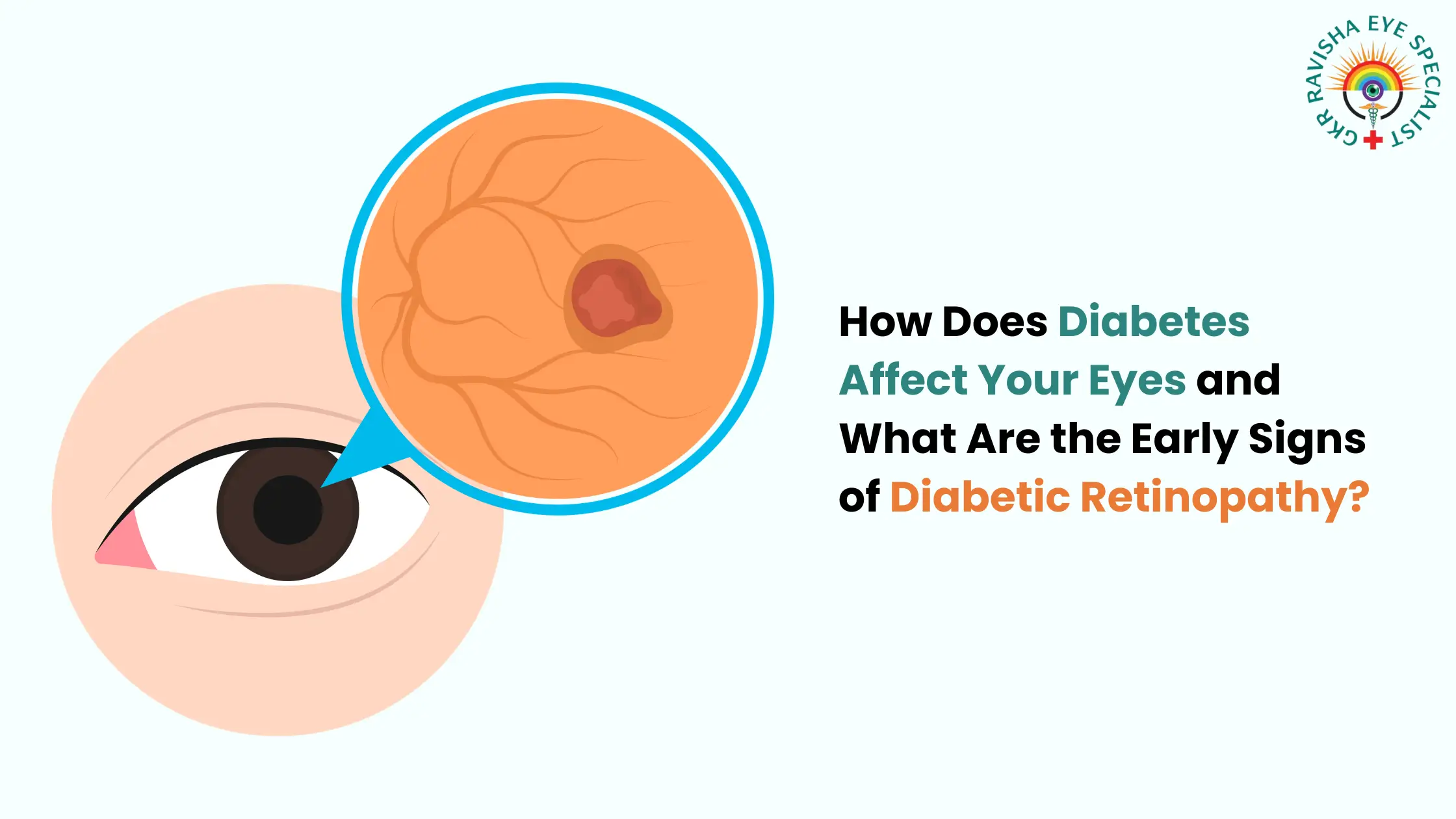
Diabetes is a chronic condition that affects millions of people worldwide. While most people know that diabetes can impact the heart, kidneys, and nerves, many are unaware that it can also cause serious vision problems. One of the most common complications is diabetic retinopathy, a condition that damages the blood vessels in the retina and may lead to vision loss if left untreated.
At GKR Ravisha Eye Clinic – Marathahalli, we offer comprehensive diabetic eye examinations to detect retinal changes early and help protect your vision.
How Does Diabetes Affect Your Eyes?
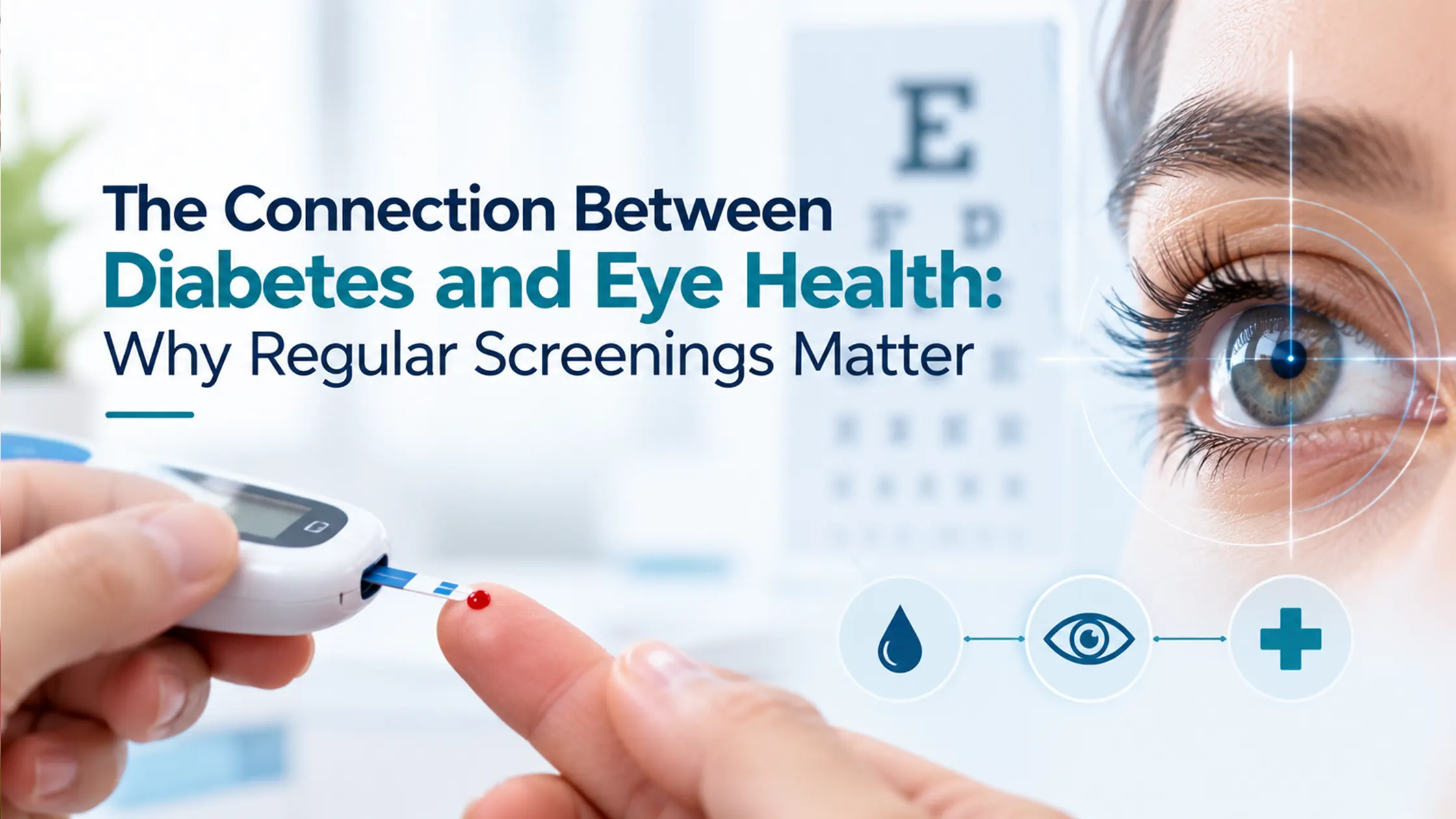
High blood sugar levels over time can damage the tiny blood vessels that supply the retina—the light-sensitive tissue at the back of the eye. These damaged blood vessels may leak fluid or blood, become blocked, or grow abnormally, affecting clear vision.
Diabetes can also increase the risk of other eye conditions, including:
- Cataracts
- Glaucoma
- Diabetic macular edema (DME)
- Blurred vision due to fluctuating blood sugar levels
Regular eye check-ups are essential because many diabetic eye conditions develop gradually without noticeable symptoms.
What Is Diabetic Retinopathy?
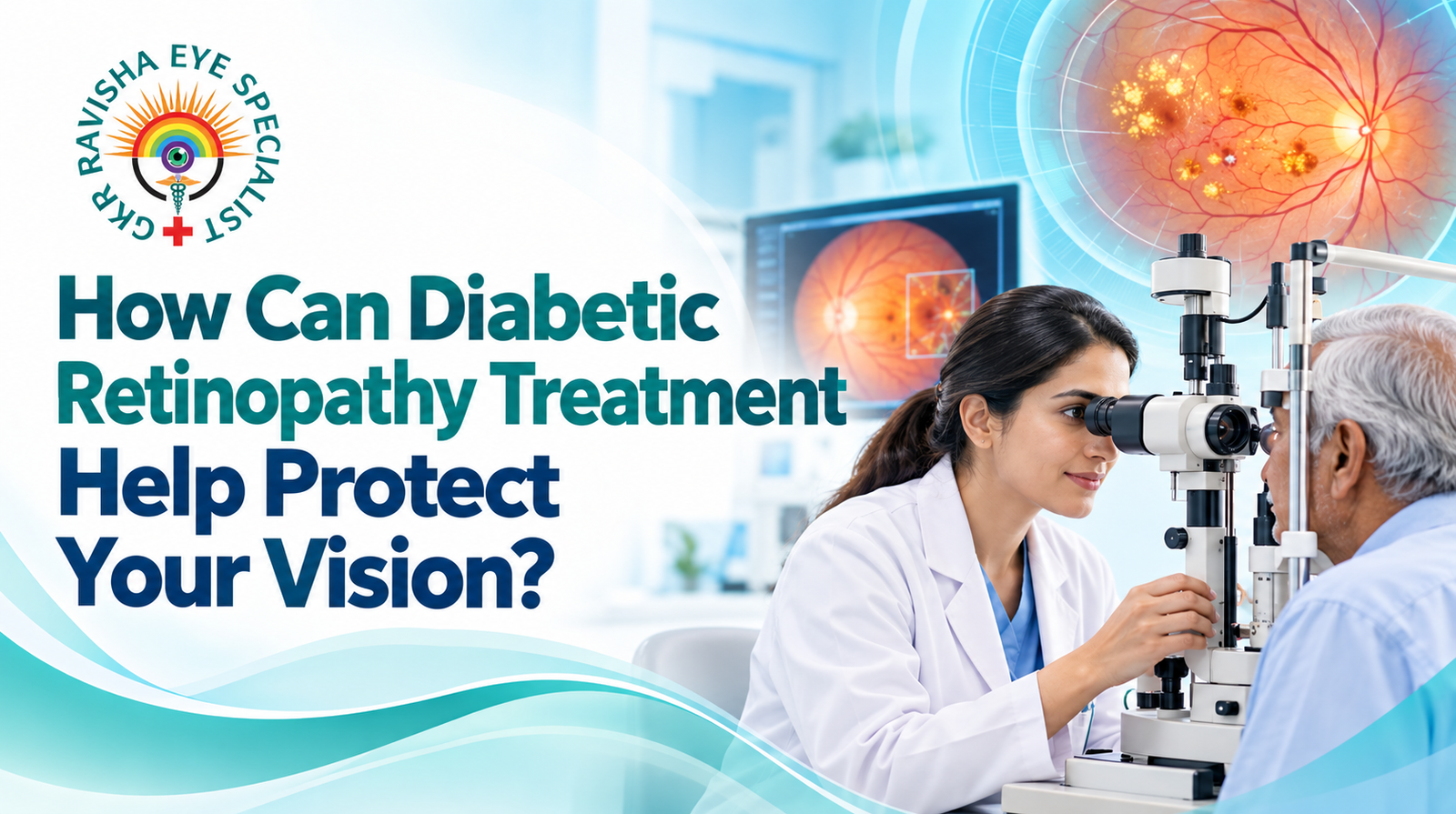
Diabetic retinopathy is a diabetes-related eye disease that occurs when prolonged high blood sugar damages the retinal blood vessels.
It generally progresses through different stages:
1. Mild Non-Proliferative Diabetic Retinopathy (NPDR)
Small bulges (microaneurysms) develop in the retinal blood vessels and may begin to leak.
2. Moderate to Severe NPDR
As the disease progresses, more blood vessels become blocked, reducing blood supply to the retina.
3. Proliferative Diabetic Retinopathy (PDR)
New, fragile blood vessels grow on the retina. These vessels can bleed easily, causing significant vision problems and increasing the risk of retinal detachment.
Early diagnosis greatly improves the chances of preserving vision.
Early Signs of Diabetic Retinopathy
In its early stages, diabetic retinopathy may not cause any symptoms. As it progresses, you may notice:
- Blurred vision
- Floaters (small spots or strings drifting across your vision)
- Fluctuating vision
- Dark or empty areas in your field of vision
- Difficulty seeing at night
- Faded or distorted colours
- Sudden vision loss (in advanced cases)
If you experience any of these symptoms, seek an eye examination as soon as possible.
Who Is at Higher Risk?
Your risk of diabetic retinopathy increases if you:
- Have had diabetes for several years
- Have poorly controlled blood sugar
- Have high blood pressure
- Have high cholesterol
- Smoke
- Are pregnant and have diabetes
- Miss regular diabetic eye examinations
Even people with well-controlled diabetes should have routine retinal screenings.
How Is Diabetic Retinopathy Diagnosed?
At GKR Ravisha Eye Clinic – Marathahalli, your ophthalmologist may perform:
- Comprehensive eye examination
- Dilated retinal examination
- Digital retinal imaging
- Optical Coherence Tomography (OCT), if indicated
- Fluorescein angiography in selected cases
These tests help detect retinal damage before significant vision loss occurs.
Treatment Options
Treatment depends on the stage and severity of diabetic retinopathy.
Your ophthalmologist may recommend:
- Strict blood sugar, blood pressure, and cholesterol control
- Regular monitoring
- Intravitreal (anti-VEGF) injections, when appropriate
- Laser treatment (laser photocoagulation)
- Vitrectomy surgery for advanced cases
The earlier the condition is detected, the more effective treatment is likely to be.
Tips to Protect Your Vision
You can reduce your risk of diabetic eye disease by:
- Keeping your blood sugar under control
- Monitoring your blood pressure
- Managing cholesterol levels
- Following a healthy diet
- Exercising regularly
- Taking prescribed medications consistently
- Avoiding smoking
- Scheduling a comprehensive eye examination at least once a year, or as advised by your ophthalmologist
Why Choose GKR Ravisha Eye Clinic – Marathahalli?
At GKR Ravisha Eye Clinic – Marathahalli, we are committed to providing advanced eye care with a focus on early detection and prevention of vision-threatening diseases.
Our services include:
- Comprehensive diabetic eye screening
- Retina evaluation
- Cataract diagnosis and treatment
- Glaucoma screening
- Vision assessment
- Personalized treatment plans
- Advanced diagnostic technology
Our experienced eye specialists work closely with patients to help preserve vision and maintain long-term eye health.
Conclusion
Understanding how diabetes affects your eyes and recognizing the early signs of diabetic retinopathy can make a significant difference in preventing permanent vision loss. Since the condition often develops without noticeable symptoms, regular eye examinations are essential for everyone living with diabetes.
If you have diabetes or have noticed changes in your vision, visit GKR Ravisha Eye Clinic – Marathahalli for a comprehensive diabetic eye evaluation and expert care to protect your eyesight.